Best Utah Rental Properties for Maximizing Cash Flow Returns

Best Investment Properties in Utah: Top Markets for Cash Flow
Investing in real estate can be a lucrative venture, especially in markets that offer strong cash flow potential. Utah, with its diverse economy and growing population, presents numerous opportunities for investors seeking profitable rental properties. This article will explore the best investment properties in Utah, focusing on top markets that provide excellent cash flow. Readers will learn about the cities that stand out for rental yields, how to evaluate cash flow on investment properties, and the current trends shaping the Utah rental market. By understanding these factors, investors can make informed decisions that maximize their returns.
Which Utah cities offer the best cash flow rental properties?
When considering investment properties, identifying cities with strong rental cash flow is crucial. In Utah, several cities have emerged as prime locations for cash flow rental properties due to their economic growth, population trends, and rental demand.
What makes Salt Lake City a prime market for rental yields?

Salt Lake City is a vibrant urban center that attracts a diverse population, contributing to its strong rental market. The city’s economic growth, driven by technology, finance, and healthcare sectors, has led to increased job opportunities, which in turn boosts rental demand. Additionally, the population growth in Salt Lake City has outpaced the national average, making it a prime market for rental yields. Investors can expect competitive rental prices and a steady influx of tenants, enhancing the potential for cash flow.
How does Provo compare in rental demand and cash flow potential?
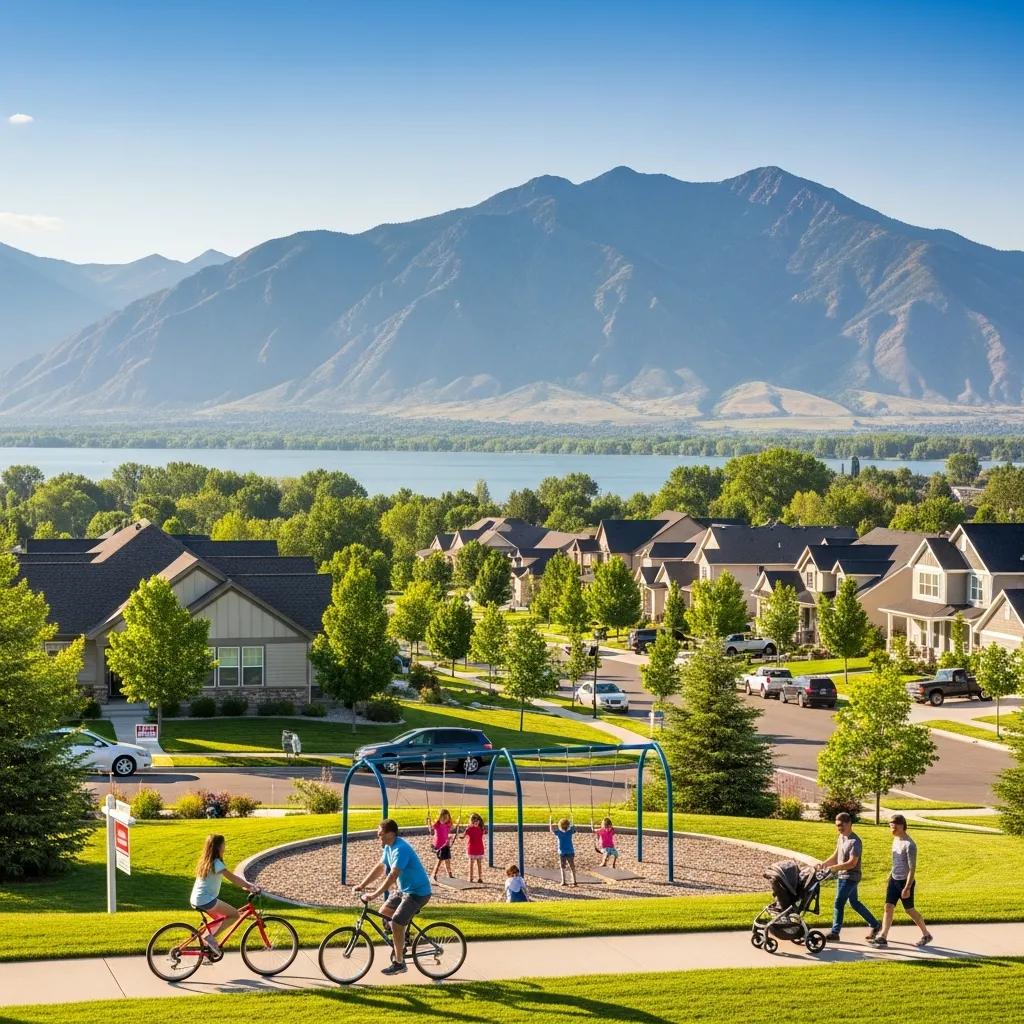
Provo, known for its strong educational institutions and family-friendly environment, also presents significant rental demand. The presence of Brigham Young University creates a consistent influx of students seeking housing, which bolsters the rental market. Compared to Salt Lake City, Provo offers a lower median home price and cost of living, making it an attractive option for renters. This combination of factors contributes to Provo’s cash flow potential, making it a viable option for investors looking to diversify their portfolios.
How to evaluate cash flow on Utah investment properties?
Evaluating cash flow is essential for determining the profitability of investment properties. Investors should focus on key metrics that provide insights into the financial performance of their properties.
What are the key metrics for cash flow analysis in Utah real estate?
Key metrics for cash flow analysis include net operating income (NOI), cash on cash return, and capitalization rate (cap rate).
- Net Operating Income (NOI): This metric represents the total income generated from the property minus operating expenses. A higher NOI indicates better cash flow potential.
- Cash on Cash Return: This metric measures the annual return on investment based on the cash invested. It helps investors assess the efficiency of their investment.
- Cap Rate: The cap rate is calculated by dividing the NOI by the property’s purchase price. It provides a quick way to compare the profitability of different investment properties.
How to calculate rental yield and ROI for Utah land investments?
Calculating rental yield and return on investment (ROI) is crucial for assessing the viability of land investments in Utah.
- Rental Yield: This is calculated by dividing the annual rental income by the property’s value and multiplying by 100 to get a percentage. A higher rental yield indicates a more profitable investment.
- ROI: To calculate ROI, subtract the total investment cost from the total returns, divide by the total investment cost, and multiply by 100. This metric helps investors understand the overall profitability of their investment.
What are the top Utah land investment opportunities for cash flow?
Investing in land can be a strategic move for long-term cash flow. Utah offers several promising land investment opportunities that cater to various investor needs.
Why invest in undeveloped land parcels like Loveless Estates?
Undeveloped land parcels, such as those in Loveless Estates, present unique investment opportunities. These parcels often appreciate over time, providing long-term capital gains. Additionally, investors can develop the land for residential or commercial purposes, further enhancing its value. The demand for land in growing areas like Utah is driven by population growth and urban expansion, making it a smart investment choice.
How zoning and financing options impact Utah land investments?
Zoning regulations play a critical role in determining how land can be used, affecting its investment potential. Understanding local zoning laws is essential for investors looking to develop land. Additionally, financing options for land purchases can vary, with some lenders offering specialized loans for land investments. Investors should explore different financing avenues, including traditional mortgages and land loans, to find the best fit for their investment strategy.
What are the current Utah rental market trends affecting investors?
Staying informed about current rental market trends is vital for making strategic investment decisions. Several factors are currently shaping the Utah rental market.
How are 2025-2026 economic factors driving rental demand in Utah?
Economic factors such as job growth and population increases are driving rental demand in Utah. The state’s economy is expected to continue expanding, attracting new residents and businesses. This influx creates a higher demand for rental properties, making it an opportune time for investors to enter the market. Additionally, the stability of the Utah economy contributes to a favorable rental environment, reducing vacancy rates and enhancing cash flow potential.
What are the average rental yields across Utah’s top cities?
Average rental yields vary across Utah’s cities, influenced by local market conditions. In Salt Lake City, rental yields typically range from 4.5% to 6.5%, while Provo offers yields around 5% to 7%. Understanding these averages helps investors gauge the potential returns on their investments and make informed decisions about where to allocate their resources.
How to finance and manage cash flow properties in Utah?
Financing and effective management are crucial components of successful real estate investment. Investors should explore various financing options and management strategies to maximize cash flow.
What financing options are available for Utah investment land?
Investors in Utah have access to several financing options for purchasing investment land. Traditional mortgages, land loans, and even seller financing can be viable choices. Each option has its pros and cons, and investors should evaluate their financial situation and investment goals to determine the best approach. Additionally, some lenders may offer specialized loans for land development, which can be beneficial for investors looking to build on their properties.
How to optimize property management for positive cash flow?
Effective property management is essential for maintaining positive cash flow. Investors should focus on tenant management, regular maintenance, and cost control to ensure their properties remain profitable. Implementing a proactive maintenance schedule can prevent costly repairs down the line, while efficient tenant management can reduce vacancy rates and enhance rental income. By prioritizing these strategies, investors can optimize their cash flow and achieve long-term success.
What common investor questions arise about Utah cash flow properties?
Investors often have questions about the best strategies for maximizing cash flow in Utah’s rental market. Addressing these common inquiries can provide valuable insights.
Which Utah cities have the best rental cash flow?
Cities like Salt Lake City and Provo consistently rank among the best for rental cash flow due to their strong economic fundamentals and rental demand. Investors should consider these markets when looking for properties that offer solid cash flow potential.
What are the benefits of investing in Utah land?
Investing in Utah land offers several advantages, including long-term appreciation, development potential, and the ability to diversify an investment portfolio. As the state continues to grow, land investments can provide significant returns, making them an attractive option for savvy investors.
Frequently Asked Questions
What are the risks associated with investing in Utah rental properties?
Investing in rental properties in Utah, like any real estate investment, carries certain risks. These include market fluctuations, which can affect property values and rental demand. Additionally, unexpected maintenance costs and tenant turnover can impact cash flow. Investors should also be aware of local regulations and zoning laws that may affect property use. Conducting thorough market research and financial analysis can help mitigate these risks and lead to more informed investment decisions.
How can I find reliable property management services in Utah?
Finding reliable property management services in Utah involves researching local companies, reading reviews, and seeking recommendations from other property owners. Look for firms with experience in managing properties similar to yours and check their credentials, such as licenses and certifications. It’s also beneficial to interview potential managers to discuss their strategies for tenant screening, maintenance, and rent collection. A good property management service can significantly enhance your investment’s cash flow and overall success.
What are the tax implications of investing in rental properties in Utah?
Investing in rental properties in Utah has specific tax implications that investors should understand. Rental income is generally taxable, and investors can deduct various expenses, including mortgage interest, property management fees, and maintenance costs. Additionally, property depreciation can provide significant tax benefits. It’s advisable to consult with a tax professional familiar with Utah real estate to ensure compliance and optimize tax strategies, as local laws and regulations can vary.
How does the seasonal rental market affect cash flow in Utah?
The seasonal rental market in Utah can significantly impact cash flow, especially in areas popular for tourism or outdoor activities. Properties in ski resort towns may see higher demand during winter months, while summer can be peak season for areas near national parks. Investors should consider these seasonal trends when setting rental rates and marketing their properties. Understanding the local market dynamics can help optimize occupancy rates and maximize cash flow throughout the year.
What are the benefits of investing in multi-family properties in Utah?
Investing in multi-family properties in Utah offers several advantages, including diversified income streams and reduced risk. With multiple units, investors can mitigate the impact of vacancies, as one tenant leaving does not significantly affect overall cash flow. Additionally, multi-family properties often have lower per-unit costs and can benefit from economies of scale in management and maintenance. This type of investment can be particularly lucrative in growing markets like Utah, where rental demand is high.
How can I assess the long-term growth potential of a Utah investment property?
To assess the long-term growth potential of a Utah investment property, consider factors such as local economic trends, population growth, and infrastructure development. Researching job market conditions and major employers in the area can provide insights into future demand for rental properties. Additionally, analyzing historical property value trends and comparing them with similar markets can help gauge potential appreciation. Engaging with local real estate experts can also provide valuable perspectives on future growth opportunities.
Maximizing Utah Rental Cash Flow: Essential Takeaways
Investing in Utah’s real estate market offers significant cash flow potential, particularly in cities like Salt Lake City and Provo, where economic growth and rental demand are robust. By understanding key metrics such as net operating income and rental yield, investors can make informed decisions that enhance their profitability. Exploring diverse investment options, including land and multi-family properties, can further diversify portfolios and maximize returns. Start your journey in Utah’s thriving rental market today by exploring our comprehensive resources and listings.