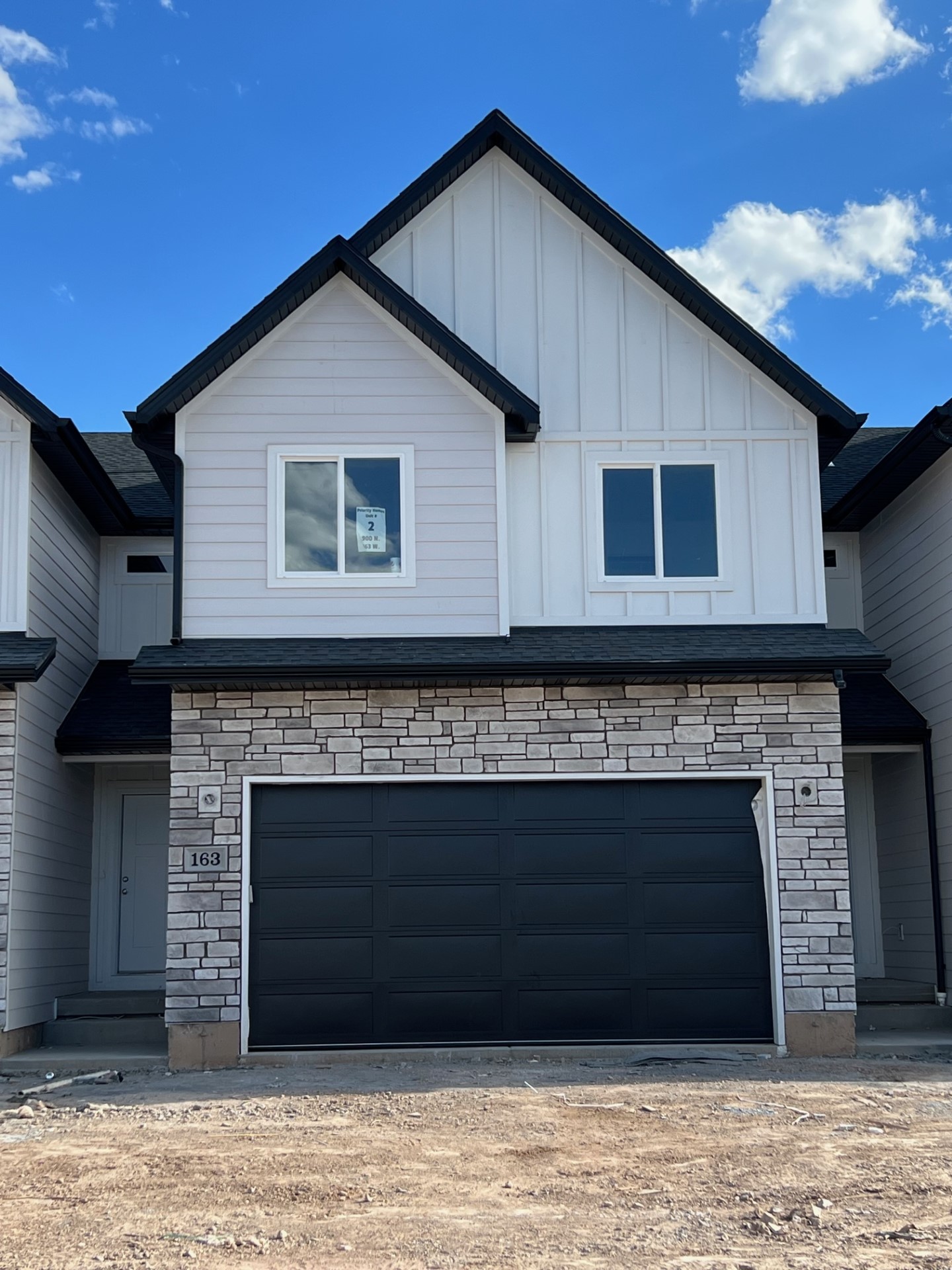
Priority Homes townhouse exterior with private entrance and attached two-car garage in Utah
Physical Form vs Legal Ownership · HOA · Insurance · Financing · Privacy · Buyer Fit

Townhouse vs Condo: Which Is Better for Buyers?

A townhouse and a condo may look completely different—or almost identical. The important question is not the label on the listing. It is what you own, which systems and land are common, what the HOA covers, how the project is insured and financed, and whether the space, parking, privacy, amenities, and restrictions fit your life.

The decision in one sentence

Townhouses Offer a More Authentic Home-Like Experience

A townhouse often feels more like a traditional home: private entrance, attached garage, multiple levels, more storage, no neighbor above or below, and sometimes a private yard.

A condominium can provide a stronger lock-and-leave model: broader common-property maintenance, single-level or urban living, shared amenities, and less direct exterior responsibility. The trade-off can be more project-level financing, insurance, assessment, reserve, and governance exposure.

FormTownhouse often describes design
TitleCondo describes ownership
$389,900Loveless current example
2,579 ft²Townhouse total example
Project ReviewMay affect condo financing

The most important difference: form versus ownership

A property can look like a townhouse and still be legally organized as a condominium.

A townhouse usually describes an attached home arranged side by side with private entrances and no residence above or below. It may have multiple levels, a garage, driveway, patio, or fenced yard. Condominium usually describes how ownership is legally divided: the buyer owns a unit as defined in the condominium documents and shares an interest in common elements through the association.

Issue Townhouse-style property Condominium ownership
What the term usually describesThe physical arrangement or architectural formThe legal ownership and common-element structure
Can it overlap?Yes. A townhouse-style home can be a condo, fee-simple lot, PUD, or another formYes. A condo can be stacked, side-by-side, detached, single-level, or townhouse-style
Ownership boundaryCannot be assumed from appearanceDefined by the declaration, condominium plat, deed, and applicable documents
LandBuyer may own a lot, limited area, or only the unit depending on structureLand is commonly part of the common elements, subject to the recorded structure
ExteriorOwner or HOA responsibility depending on documentsOften association responsibility, but unit-owner obligations and deductibles vary
Financing categoryMay be underwritten as a one-unit property, PUD, or condo depending on legal formMay require condominium-project review in addition to the unit and borrower
Never accept “you own from the drywall inward” as a complete legal explanation. Ownership boundaries can run through surfaces, structural components, airspace, utility lines, windows, doors, patios, balconies, parking, storage, or other defined areas. Read the exact recorded documents.

The current Loveless Estates townhouse example

A real Nephi property gives the townhouse side of the comparison a grounded local reference.

MLS #2142576 at 233 W 815 N #53 was shown at $389,900 on July 17, 2026. UtahRealEstate reports three bedrooms, three bathrooms, and 2,579 total square feet. Current listing copy highlights a private entrance, attached garage, modern kitchen, two family-room areas, and a fenced backyard with grass and sprinklers.

Loveless Estates · Active townhouse example

Home-like attached ownership

The value proposition is practical: garage parking, multiple levels, bedroom separation, storage, private entry, yard utility, modern construction, and no residence above or below in the typical plan.

$389,900 example 3 bedrooms 2,579 total ft² Garage and yard
Explore Loveless Estates →
Loveless legal structure still must be verified. This page uses Loveless Estates as the townhouse example because of its physical layout and buyer experience. The buyer should confirm the exact legal ownership, plat, HOA responsibilities, insurance, lender classification, and unit documents for #53 or any other selected home.

What do you actually own?

Title and recorded documents answer the question—not the marketing name.

Document What it reveals Buyer question
Deed and legal descriptionThe legal interest being conveyedAm I buying a lot and structure, a condominium unit, or another defined interest?
Recorded plat or condominium mapBoundaries, units, common areas, limited common areas, easements, parking, storage, and phasesWhich spaces are exclusively mine, assigned, limited common, or fully common?
Declaration and amendmentsOwnership, use restrictions, maintenance, voting, assessments, insurance, leasing, and enforcementWhich provisions materially affect my intended use?
Bylaws and rulesGovernance, meetings, board authority, pets, parking, alterations, behavior, and proceduresCan rules change without my individual consent?
Maintenance matrixWho repairs, replaces, insures, and pays for each componentWho handles roof, siding, windows, doors, balconies, fences, utilities, garage, and interiors?
Title reportRecorded exceptions, liens, easements, covenants, and legal mattersWhat affects access, use, financing, or resale?
Assigned use is not always ownership. A parking space, patio, yard, balcony, or storage area may be deeded, assigned, licensed, limited common, or revocable under specified conditions. Confirm the legal category.

HOA dues, budgets, reserves, and governance

The monthly fee matters less than what it covers and whether the association can meet future obligations.

A condo fee may appear high because the association carries building insurance, roof or exterior work, elevators, utilities, staffing, amenities, or larger common systems. A townhouse HOA may appear lower because owners carry more direct repair responsibility. Neither fee can be judged without the budget, reserves, insurance, maintenance matrix, and capital plan.

HOA issue Townhouse question Condo question
Monthly duesWhich exterior, landscaping, snow, common-area, insurance, and management costs are included?Which building systems, master insurance, utilities, amenities, staffing, and reserves are included?
Reserve fundingAre roofs, roads, landscaping, common infrastructure, fences, and exterior obligations funded?Are roofs, elevators, facades, plumbing stacks, garages, balconies, fire systems, and other common systems funded?
DelinquenciesAre enough owners paying on time to support operations and reserves?Could delinquency affect services, project eligibility, lending, or assessments?
Special assessmentsAre projects or insurance deductibles likely to require additional owner payments?Are major repairs, deferred maintenance, litigation, or insurance costs creating current or future assessments?
Board and managementAre records, bids, enforcement, maintenance, and owner communication reliable?Does management have the expertise to operate a building and maintain lender-ready documentation?
Developer controlWhen do owners control the association, and what obligations remain with the developer?Is the project complete, sold, turned over, and financially independent?

Review more than the current balance

  • Current and prior-year budgets
  • Balance sheet and income statement
  • Reserve study or capital plan where available
  • Board and owner meeting minutes
  • Insurance declarations, deductibles, exclusions, and claims
  • Current and pending special assessments
  • Owner delinquency and collection information
  • Contracts for management, landscaping, snow, maintenance, elevators, or other systems
  • Pending repairs, inspections, code issues, litigation, and insurance notices
A low HOA fee can be a warning when the association is not reserving enough. The buyer may enjoy a lower payment today and face a large assessment, reduced services, deferred maintenance, insurance problems, or resale difficulty later.

Master insurance, owner coverage, and deductible risk

The association policy and the owner's policy must fit together without dangerous gaps.

Townhouse and condo insurance cannot be selected from the property label alone. The master policy may insure certain common elements, exterior components, or portions of the building. The owner policy may need to cover interior improvements, personal property, liability, loss of use, loss assessment, unit damage, and the portion of a master-policy deductible allocated to the owner.

Insurance review Question for the association Question for the owner's insurer
Property boundaryWhat real property and components are covered by the master policy?What interior structure and improvements must the owner insure?
ValuationIs coverage replacement-cost based, and are limits current?Is the unit coverage adequate for the owner's responsibility and upgrades?
DeductiblesWhat are the wind, hail, water, earthquake, and other deductibles, and how may they be allocated?Can the owner policy cover assessment or deductible exposure?
Water and sewerHow are common plumbing, water intrusion, backups, and damage allocated?What water, sewer backup, mold, and loss-assessment coverage is available?
LiabilityWhat common-area liability is carried?What personal liability, pet, tenant, guest, and loss-of-use coverage is needed?
Renting the unitDoes the master policy permit or treat rentals differently?Is an owner-occupied, landlord, second-home, or vacancy policy required?
Obtain the master policy and owner-policy quote before the financing and HOA deadlines. Insurance availability, deductibles, coverage gaps, and lender requirements can materially change the monthly cost or prevent closing.

Financing and condo-project review

A qualified borrower and an acceptable unit may still need an eligible project.

Condominium financing may require project-level review in addition to ordinary borrower, appraisal, title, and unit underwriting. Fannie Mae's Selling Guide contains limited, full, newly converted, FHA-approved, PERS, and special-consideration project review pathways. Freddie Mac also uses multiple condominium project review methods and project-status tools.

Project-review topic Why the lender may care Buyer action
Project completionIncomplete buildings, phases, amenities, or common elements may create riskAsk whether the project is new, established, converted, phased, or still developer-controlled
Financial viabilityBudget, reserves, delinquency, and assessments affect the project's ability to operateDeliver current financial documents to the lender early
InsuranceCoverage, deductibles, limits, and policy form may affect eligibilityObtain master-policy documents before appraisal and underwriting are advanced
Critical repairsStructural, safety, habitability, or deferred-maintenance concerns can affect eligibilityReview inspections, engineering, notices, minutes, repairs, and assessments
LitigationSome disputes create material financial or property riskDisclose and review pending claims, disputes, and legal proceedings
Commercial or transient useHotel-like use or excessive nonresidential space can affect project treatmentConfirm the actual project use, rental pattern, and commercial components
Ownership concentrationLarge investor or entity concentration may affect project riskAsk the HOA or lender for current ownership and occupancy information when required
Assessment delinquencyUnpaid dues can weaken operations and project eligibilityRequest current delinquency information and discuss the lender's threshold
Start with the property address, legal structure, and lender—not a generic preapproval. Ask the lender whether the property is treated as a condominium, PUD, or another category; which project review applies; which documents are required; and whether any known eligibility or insurance issue exists.
Do not promise that condo financing is “easy” or “hard.” A well-run established project may finance smoothly. A poorly documented, underinsured, underfunded, incomplete, damaged, litigated, or ineligible project may create delay or denial.

Maintenance boundaries: who fixes what?

Less direct maintenance can mean more association dependence—not the absence of cost.

Component Possible townhouse structure Possible condominium structure Required verification
Roof and exterior wallsHOA or owner depending on declaration and maintenance matrixOften common, but exclusions and deductibles varyWritten responsibility, repair process, reserves, and insurance
Windows and doorsMay be owner, HOA, or divided by frames, glass, seals, and surfacesMay be common, limited common, or owner responsibilityExact component-by-component allocation
Balcony, patio, or yardMay be privately owned, limited common, or assignedOften limited common or exclusive-use common areaOwnership, maintenance, alterations, drainage, and insurance
Garage and parkingMay be part of unit, lot, limited common area, or assignedMay be deeded, assigned, common, leased, or separately titledTitle, map, rules, guest parking, storage, and repair duties
Interior systemsOwner commonly handles appliances, finishes, fixtures, and unit systemsOwner commonly handles unit interiors; shared risers and systems may be commonUtility boundaries, valves, lines, shutoffs, HVAC, and damage allocation
Landscaping and snowHOA may cover fronts and common areas while owner handles private yardAssociation may handle all common grounds and access routesMap, service scope, timing, owner duties, and extra charges
The association does not perform maintenance for free. Owners fund the work through dues, reserves, insurance, deductibles, assessments, or reduced services. Compare responsibility and cost together.

Space, privacy, parking, amenities, and daily life

The physical experience may matter more than the legal category after the documents are understood.

Lifestyle factor Townhouse tendency Condo tendency Do not assume
EntryOften a private exterior entranceMay be exterior, interior hallway, elevator, secured lobby, or privateTour the exact route from parking to the unit
NeighborsUsually side-by-side; often no unit above or belowMay have neighbors beside, above, below, or across a corridorTest sound at occupied times
LevelsOften multi-level with stairsOften single-level, but not alwaysAccessibility, groceries, pets, children, guests, and aging needs
Garage and storageAttached garage and more in-unit storage are common advantagesMay have assigned, structured, detached, or no garage parkingVerify dimensions, ownership, storage rules, charging, and guest parking
Outdoor spaceMay include a patio, fenced yard, porch, or drivewayMay include balcony, terrace, patio, courtyard, or common groundsExclusive use does not necessarily mean ownership
AmenitiesMay provide modest community facilities and open areasMay provide pools, fitness, concierge, elevators, lounges, or noneEvery amenity increases operating and capital obligations
PetsYard and exterior entry may be convenientElevators, corridors, limited outdoor access, and rules may affect fitVerify number, type, size, behavior, registration, and insurance rules
AI-generated conceptual illustration of a condominium-style community with shared landscaped gathering areas and residents
Conceptual condo-community illustration—not an actual development. This AI-generated image demonstrates why some buyers value shared landscaping, gathering spaces, walkability, and common amenities. It is not a Nephi condo listing, existing Priority Homes development, or representation that any specific amenities are available.
Amenity value is personal. A pool, fitness room, clubhouse, elevator, concierge, or landscaped courtyard can be valuable when the buyer uses it. An unused amenity remains an operating, insurance, repair, and reserve obligation.

Special assessments, major repairs, and building risk

Shared responsibility can produce shared purchasing power—and shared financial exposure.

A special assessment is an additional owner charge outside ordinary dues. It may fund a roof, pavement, siding, elevator, plumbing, structural repair, insurance deductible, legal expense, reserve shortage, or another association obligation. Townhouse and condo associations can both impose assessments according to their documents and applicable law.

Current obligation

Approved assessment

Determine the total amount, balance, payment schedule, transfer responsibility, lien status, project scope, contractor, financing, and effect on the transaction.

Possible obligation

Pending assessment

Meeting minutes, bids, inspections, reserve shortages, insurance notices, or repeated discussion may indicate a future charge not yet formally approved.

Questions before the HOA review period expires

  • Are any assessments approved, proposed, discussed, deferred, or expected?
  • What inspections, engineering reports, reserve studies, bids, or insurance notices exist?
  • Are any critical repairs, safety issues, code violations, water problems, structural concerns, or inaccessible components unresolved?
  • How will the project be funded: reserves, assessment, loan, dues increase, or delayed work?
  • Can an assessment become the buyer's obligation after closing even when the seller voted for it?
  • Will the lender or insurer accept the current condition and repair plan?
Do not rely on “there are no current assessments.” Review minutes, inspections, bids, reserve funding, claims, repairs, and the capital plan to identify obligations that have not yet become a formal assessment.

Rental restrictions and investor suitability

A future rental plan must be verified before purchase—even for an owner-occupied home.

Rental issue Question to verify
Rental permissionAre rentals allowed, prohibited, capped, wait-listed, grandfathered, or subject to hardship exceptions?
Minimum lease termAre short-term, month-to-month, corporate, room, or vacation rentals restricted?
Registration and feesMust the owner submit the lease, tenant information, agent details, deposits, or annual fees?
Tenant complianceHow are tenants informed of rules, violations, parking, pets, noise, and common-area standards?
OccupancyDo lender, insurer, HOA, city, or project rules limit occupancy or investor concentration?
Insurance and managementDoes the master policy allow rental use, and what landlord coverage and local management are required?
Future changeCan the association amend rental provisions after purchase, and what voting threshold applies?
Townhouses may attract renters who want garage, storage, bedrooms, and a private entry. Condos can succeed in strong locations or amenity markets. Investment suitability still depends on acquisition basis, actual rent, vacancy, dues, assessments, insurance, repairs, financing, management, restrictions, and resale.

Use the Priority Homes Investment Properties guide to model acquisition basis, operating expenses, reserves, cash flow, DSCR, HOA risk, management, and exit scenarios before purchasing either property type.

Resale, appraisal, and future buyer demand

No property type resells better in every market; project quality and buyer utility matter.

Possible townhouse strength

Broader home-like utility

Garage parking, storage, multiple bedrooms, private entry, no unit above or below, and yard potential may appeal to first-time buyers, families, downsizers, remote workers, and investors.

Resale factor Potential effect
Association financesStrong reserves and transparent operations can support buyer and lender confidence; underfunding can weaken both
InsuranceAvailability, adequacy, deductibles, and claims can affect financing and buyer cost
Project eligibilityFinancing limitations can reduce the eligible buyer pool
Assessment and repairsCurrent or likely charges can affect price, negotiations, cash requirements, and lender approval
HOA duesBuyers compare the payment with included value, condition, reserves, and competing properties
Parking and storageGarage, guest parking, charging, accessibility, and storage can materially affect demand
Rental restrictionsRestrictions can reduce investor demand but may support owner-occupancy goals or project stability
Location and utilityCommute, services, walkability, schools, recreation, layout, privacy, and amenities shape the actual buyer pool
Use the correct comparable sales. Appraisers and buyers should consider legal property type, project, location, size, condition, amenities, parking, HOA, concessions, and market acceptance—not only architectural similarity.

Which buyer fits each option?

Choose the housing experience and risk structure you will actually use and understand.

Townhouse may fit when

You want a more traditional home experience

  • A private exterior entrance is important.
  • You value attached garage parking and storage.
  • You want no residence above or below.
  • Multiple levels fit your household and long-term mobility.
  • You want bedrooms, office space, basement potential, or a yard.
  • You accept shared walls and have tested sound.
  • You understand the exact title, HOA, insurance, and maintenance boundary.
View Nephi townhouses →

First-time buyer

Compare complete payment, reserves, insurance, HOA risk, parking, storage, future household needs, and project financeability—not only purchase price.

Family

Townhouse utility may fit bedrooms, gear, garage, private entry, and yard needs. A large well-located condo can still work when the layout and project support family life.

Downsizer

A condo may offer single-level and broader exterior coverage. A townhouse may preserve garage, guests, storage, and home-like independence but add stairs.

Second-home buyer

Security and association services can be valuable. Verify vacancy rules, rental use, insurance, management, winter access, and project financial strength.

Investor

Verify rental permission, lender treatment, tenant demand, HOA cost, assessments, management, insurance, repairs, reserves, and exit liquidity.

Remote worker

Compare office space, sound, internet, natural light, storage, guest space, parking, amenities, and whether the location improves daily life.

The townhouse-or-condo review process

Complete the property, association, insurance, and financing review before the contractual deadlines expire.

Step 1

Identify the legal type

Ask title and the lender whether the property is a condo, PUD, fee-simple townhouse, or another structure.

Step 2

Collect the full document set

Obtain declaration, amendments, bylaws, rules, plat, budget, financials, reserves, insurance, minutes, assessments, and disclosures.

Step 3

Start lender project review

Give the lender the property and project details early. Ask which review applies and which documents remain outstanding.

Step 4

Review insurance

Match the master policy with a unit-owner quote and identify deductibles, gaps, exclusions, assessments, and lender conditions.

Step 5

Inspect unit and common property

Review interiors, exterior, roof, drainage, parking, balconies, amenities, mechanical systems, safety, and deferred maintenance.

Step 6

Compare complete cost and fit

Use price, loan, dues, insurance, utilities, repairs, assessments, parking, amenities, restrictions, and likely ownership period.

Buyer comparison Townhouse candidate Condo candidate
Legal ownership and exclusive-use areas________________
Finished space, stairs, storage, and layout________________
Parking, garage, guests, and charging________________
Private outdoor space and common amenities________________
HOA dues and included services________________
Reserves, assessments, repairs, and litigation________________
Master insurance and owner policy________________
Lender project review and approval status________________
Pets, rentals, alterations, and use restrictions________________
Complete monthly cost and reserves________________
Likely resale buyer and ownership timeline________________

Compare a real townhouse with a real condo

Bring the condo address, HOA package, lender contact, parking requirement, accessibility needs, expected ownership period, and complete monthly budget. Kerry can help build a matched comparison rather than relying on category stereotypes.

Call Kerry: (435) 660-0264 Schedule a Comparison Tour

Townhouse vs condo FAQ

Clear answers to the legal, financial, and lifestyle questions buyers ask most often.

What is the biggest difference between a townhouse and a condo?

Townhouse usually describes the physical form. Condo describes a legal ownership structure. A townhouse-looking home can legally be a condominium, so the documents control.

Can a townhouse legally be a condo?

Yes. Attached side-by-side homes with garages and private entrances can be legally organized as condominiums. Review the deed, plat, declaration, title, HOA, insurance, and lender classification.

Is a townhouse better than a condo?

A townhouse may be better for garage, storage, private entry, bedrooms, no unit above or below, and a home-like layout. A condo may be better for single-level living, location, security, amenities, and broader shared maintenance. The actual property and association decide.

Are condo fees always higher?

No. Compare what the fee funds, including insurance, reserves, utilities, amenities, staffing, exterior work, common systems, landscaping, and snow. Low dues can be risky when reserves are inadequate.

Is condo financing harder?

It can require project review beyond the borrower and unit. A strong, well-documented eligible project may finance smoothly. An underinsured, underfunded, incomplete, damaged, litigated, or otherwise ineligible project can cause delay or denial.

How is condo insurance different?

The association master policy and owner policy divide coverage. Verify structure, interiors, improvements, personal property, liability, loss assessment, deductibles, water, rental use, and lender requirements with the documents and insurers.

What Loveless Estates example is used?

The page uses 233 W 815 N #53, MLS #2142576, shown at $389,900 on July 17, 2026. It reports three bedrooms, three bathrooms, and 2,579 total square feet. Confirm all current details before relying on them.

Is the condo image an actual Nephi development?

No. It is AI-generated conceptual artwork illustrating a possible shared-amenity community. It is not an active listing, existing development, Priority Homes project, or promised feature set.

Can either property be rented?

Possibly, but never assume. Review rental caps, waiting lists, minimum terms, registrations, occupancy, insurance, lender, city, parking, pet, and future amendment rules.

Who should I call?

Call Kerry Anderson with Equity Real Estate at (435) 660-0264 for Loveless Estates, current inventory, matched tours, and buyer representation.

Sources, image disclosures, and editorial method

  • Current Priority Homes page: the live page correctly states that townhouse describes a home style while condo often describes legal ownership. The rebuild expands this into title, maintenance, insurance, financing, assessment, and project-level due diligence.
  • Loveless Estates example: UtahRealEstate.com MLS #2142576 showed 233 W 815 N #53 at $389,900 with three bedrooms, three bathrooms, and 2,579 square feet when checked July 17, 2026.
  • Fannie Mae project review: the current Selling Guide includes limited, full, new-project, FHA-approved, PERS, and special-consideration condominium project review sections. Source: Fannie Mae Selling Guide.
  • Freddie Mac project review: current Freddie Mac resources describe condominium mortgage and project review processes, project eligibility, documentation, financial viability, ownership structure, repairs, assessments, and project-status tools. Source: Freddie Mac Condominium Unit Mortgages.
  • User-selected townhouse image: Priority Homes townhouse exterior.
  • User-selected condo image: AI-generated conceptual condo-community illustration. It is not factual evidence of an existing project or amenities.
  • Maintenance, ownership, insurance, lending, rentals, parking, pets, amenities, and assessments are property-specific. The deed, declaration, plat, HOA documents, lender, insurers, title, inspection, and contract control.
  • This page is educational and is not legal advice, title advice, insurance advice, engineering advice, HOA approval, appraisal, inspection, loan approval, or guarantee of resale or project eligibility.
  • Update trigger: revise the Loveless listing information when MLS #2142576 changes and review Fannie Mae or Freddie Mac project guidance whenever agency requirements are updated.

Compare both ownership structures with local guidance

Loveless Estates · Nephi townhouses · Buyer document coordination

Kerry Anderson — Equity Real Estate: townhouse inventory, condo and townhouse comparison tours, offers, HOA document coordination, lender communication, and buyer representation. (435) 660-0264.

Priority Homes Office: Loveless Estates community and builder questions. (435) 623-0897.

Compare the documents before comparing the labels

Tour the homes, then review title, plat, HOA finances, insurance, maintenance boundaries, assessments, project eligibility, parking, rental rules, and complete monthly cost. The better choice is the property whose structure and lifestyle remain understandable and affordable.

Call Kerry: (435) 660-0264 Schedule a Comparison Tour