
Best Investment Properties in Utah 2026: Top Markets for ROI

Best Investment Properties in Utah 2026: Top Markets for ROI and Real Estate Investment Opportunities
As the real estate landscape evolves, Utah emerges as a prime location for investment properties in 2026. With its diverse markets and growing economy, investors are keen to identify the best opportunities for maximizing their return on investment (ROI). This article will explore the top cities in Utah for real estate investment, methods for calculating ROI, and the current market trends influencing investment decisions. Additionally, we will highlight specific land investment opportunities and the legal considerations that investors should be aware of. By the end of this guide, you will have a comprehensive understanding of how to navigate the Utah real estate market effectively.
While Utah presents numerous investment opportunities, it’s important to acknowledge the broader market challenges, particularly concerning home affordability for many residents.
What Are the Best Cities for Real Estate Investment in Utah in 2026?
Identifying the best cities for real estate investment in Utah involves analyzing various factors, including economic growth, population trends, and housing demand. In 2026, several cities stand out as top contenders for investors seeking high ROI.
Which Utah cities offer the highest ROI on land and commercial properties?
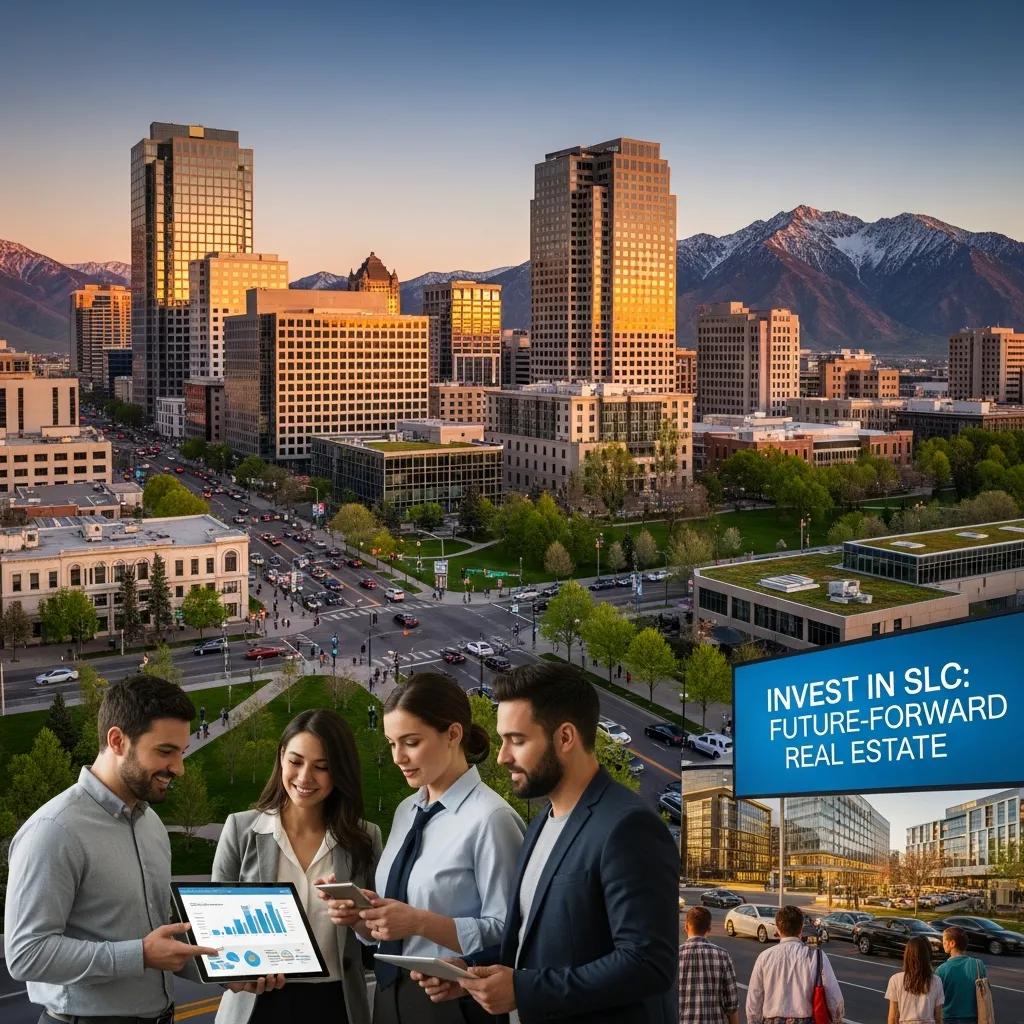
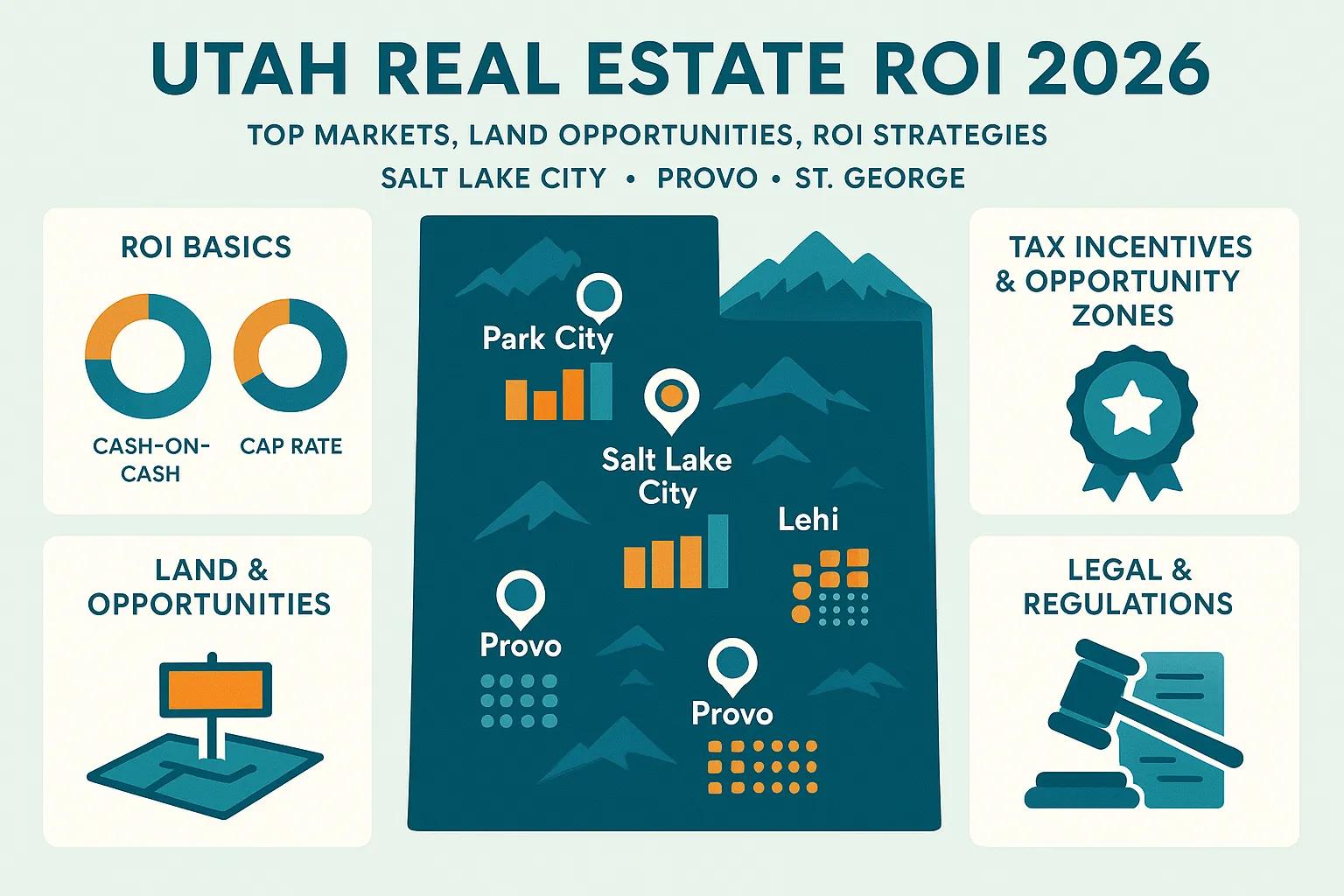
Cities like Salt Lake City, Provo, and St. George are leading the charge in offering high ROI on both land and commercial properties. Salt Lake City, with its robust job market and cultural amenities, has seen property values increase steadily, making it an attractive option for investors. Provo, known for its strong educational institutions and tech industry growth, also presents lucrative opportunities. St. George, with its appealing climate and outdoor lifestyle, continues to attract retirees and families, driving demand for residential properties.
Further analysis of the Utah real estate market provides specific figures for key cities like Salt Lake City, contrasting them with other high-value areas.
How are Salt Lake City suburbs driving real estate growth in 2026?
The suburbs of Salt Lake City, such as South Jordan and Draper, are experiencing rapid growth due to their family-friendly environments and proximity to urban amenities. These areas are becoming increasingly popular among young professionals and families, leading to a surge in housing demand. The development of new schools, parks, and shopping centers further enhances their appeal, making them prime locations for real estate investment.
How to Calculate ROI on Utah Investment Properties for 2026?
Calculating ROI on investment properties is crucial for making informed decisions. Understanding the methods and factors that influence ROI can help investors maximize their returns.
What methods accurately evaluate ROI on Utah land parcels?
Investors can evaluate ROI using several methods, including the cash-on-cash return, which measures the annual pre-tax cash flow relative to the total cash invested. Another method is the capitalization rate, which assesses the property’s income potential relative to its value. Both methods provide valuable insights into the profitability of land parcels in Utah.
How do Utah property taxes and zoning impact ROI calculations?
Property taxes and zoning regulations play a significant role in ROI calculations. Higher property taxes can reduce net income, while favorable zoning laws can enhance property value by allowing for more lucrative developments. Investors should thoroughly research local tax rates and zoning restrictions to accurately assess their potential returns.
Beyond standard calculations, investors can leverage specific programs like Opportunity Zones to significantly enhance their after-tax returns.
What Are the Top Land Investment Opportunities in Utah for 2026?

Utah offers several promising land investment opportunities that can yield substantial returns. Identifying these opportunities requires an understanding of market trends and property characteristics.
Why invest in Loveless Estates and other premium Utah land parcels?
Loveless Estates is an example of a premium land investment opportunity in Utah. Located in a developing area, these parcels offer appreciation potential due to their strategic location and access to essential services. Investing in such properties can lead to high ROI as demand continues to grow.
How do parcel size, location, and zoning affect investment potential?
The size, location, and zoning of a parcel significantly influence its investment potential. Larger parcels in desirable locations with favorable zoning for residential or commercial development tend to appreciate more rapidly. Investors should consider these factors when evaluating land for investment to ensure they are making sound financial decisions.
What Are the Current Utah Real Estate Market Trends Influencing 2026 Investments?
Understanding current market trends is essential for investors looking to capitalize on opportunities in Utah’s real estate market. Several trends are shaping the landscape in 2026.
For those seeking to explore land investment opportunities, understanding the nuances of the Utah market is crucial. With careful planning and research, investors can find lucrative opportunities.
Which emerging Utah markets show rising land values and demand?
Emerging markets such as Lehi and Eagle Mountain are witnessing rising land values and increased demand. These areas are benefiting from population growth and infrastructure development, making them attractive for real estate investment. Investors should keep an eye on these markets as they continue to evolve.
How do economic reports and real estate boards forecast 2026 growth?
Economic reports and insights from real estate boards indicate a positive outlook for Utah’s real estate market in 2026. Factors such as job growth, population influx, and relatively low unemployment rates contribute to a favorable investment climate. Investors can leverage these insights to make informed decisions about where to invest.
What Legal and Tax Considerations Should Investors Know for Utah Properties?
Navigating the legal and tax landscape is crucial for successful real estate investment in Utah. Understanding these considerations can help investors avoid pitfalls and maximize their returns.
How do Utah property taxes and regulations affect investment returns?
Utah’s property tax rates vary by county, impacting overall investment returns. Investors should familiarize themselves with local tax laws and regulations to ensure compliance and optimize their financial outcomes. Understanding these factors can significantly influence the profitability of investment properties.
What legal steps are required for purchasing and managing Utah land?
Purchasing and managing land in Utah involves several legal steps, including conducting title searches, obtaining necessary permits, and adhering to zoning regulations. Investors should work with legal professionals to navigate these processes effectively and ensure a smooth transaction.
How Can Investors Use Tools and Resources to Maximize Utah Property ROI?
Utilizing the right tools and resources can significantly enhance an investor’s ability to maximize ROI on Utah properties. Several options are available to assist in this endeavor.
What ROI calculators and interactive maps help evaluate Utah properties?
Investors can benefit from various ROI calculators and interactive maps that provide valuable insights into property values and potential returns. These tools allow investors to analyze market trends and make data-driven decisions, ultimately improving their investment strategies.
Where to find detailed market reports and investment guides for Utah?
Detailed market reports and investment guides are available through local real estate associations and online platforms. These resources provide comprehensive information on market trends, property values, and investment strategies, equipping investors with the knowledge needed to succeed in Utah’s real estate market.
Frequently Asked Questions
What are the risks associated with investing in Utah real estate?
Investing in Utah real estate, like any market, comes with inherent risks. These include market volatility, fluctuating property values, and potential changes in local regulations that could impact property use or taxes. Additionally, economic downturns can affect rental demand and property appreciation. Investors should conduct thorough market research, consider diversifying their portfolios, and stay informed about local economic conditions to mitigate these risks effectively.
How can first-time investors get started in the Utah real estate market?
First-time investors in Utah should begin by educating themselves about the local market dynamics, including property types, pricing trends, and neighborhood characteristics. Networking with local real estate professionals, attending workshops, and utilizing online resources can provide valuable insights. Additionally, starting with smaller investments, such as single-family homes or rental properties, can help build experience and confidence before moving on to larger projects.
What financing options are available for Utah real estate investments?
Investors in Utah have several financing options available, including traditional mortgages, hard money loans, and private financing. Conventional loans are often the most accessible for residential properties, while hard money loans can be useful for quick purchases or renovations. Additionally, investors may explore partnerships or crowdfunding platforms to pool resources for larger investments. Understanding the terms and conditions of each option is crucial for making informed financial decisions.
How does the Utah rental market compare to other states?
The Utah rental market is characterized by strong demand, driven by population growth and a robust job market. Compared to other states, Utah often offers competitive rental properties, particularly in urban areas like Salt Lake City and Provo. However, rental prices have been rising, which can impact affordability for tenants. Investors should analyze local rental trends and vacancy rates to gauge the market’s attractiveness relative to other regions.
What are the benefits of investing in Opportunity Zones in Utah?
Investing in Opportunity Zones in Utah can provide significant tax benefits, including deferral of capital gains taxes and potential tax-free growth on investments held for a certain period. These zones are designated areas that encourage economic development, often in underdeveloped regions. By investing in these areas, investors can not only enhance their financial returns but also contribute to community revitalization and growth, making it a socially responsible investment choice.
What role do local government policies play in Utah real estate investment?
Local government policies significantly influence real estate investment in Utah. Zoning laws, property tax rates, and development incentives can either facilitate or hinder investment opportunities. For instance, favorable zoning regulations can allow for higher-density developments, increasing property value. Investors should stay informed about local policies and engage with city planning departments to understand how these regulations may impact their investment strategies in Provo.
How can investors assess the long-term viability of a property in Utah?
To assess the long-term viability of a property in Utah, investors should consider several factors, including location, market trends, and economic indicators. Analyzing historical property value trends, demographic shifts, and local employment rates can provide insights into future demand. Additionally, conducting thorough property inspections and evaluating potential renovation costs can help determine the property’s overall investment potential and sustainability in the long run.
Conclusion
Investing in Utah’s real estate market in 2026 presents numerous opportunities for maximizing returns, particularly in cities like Salt Lake City, Provo, and St. George. Understanding key factors such as ROI calculations, market trends, and legal considerations is essential for making informed investment decisions. By leveraging available resources and tools, investors can navigate the landscape effectively and capitalize on emerging markets. Start exploring your investment options in Utah today to secure your financial future.