How Much Does It Cost to Build a House in Utah in 2026?
How Much Does It Cost to Build a House in Utah in 2026? Comprehensive Guide to Utah Home Construction Prices and Land Costs
Building a house in Utah in 2026 involves various costs that can significantly impact your budget. This comprehensive guide will explore the current landscape of home construction prices, including land costs, building materials, labor rates, and permits. Understanding these factors is crucial for prospective homeowners and investors looking to navigate the complexities of the Utah real estate market. As land prices and construction costs fluctuate, knowing what to expect can help you make informed decisions. This article will cover the current land prices and availability, the costs of building materials, labor and permit expenses, and how financing options can influence your overall budget.
What Are the Current Land Prices and Availability for Home Building in Utah?
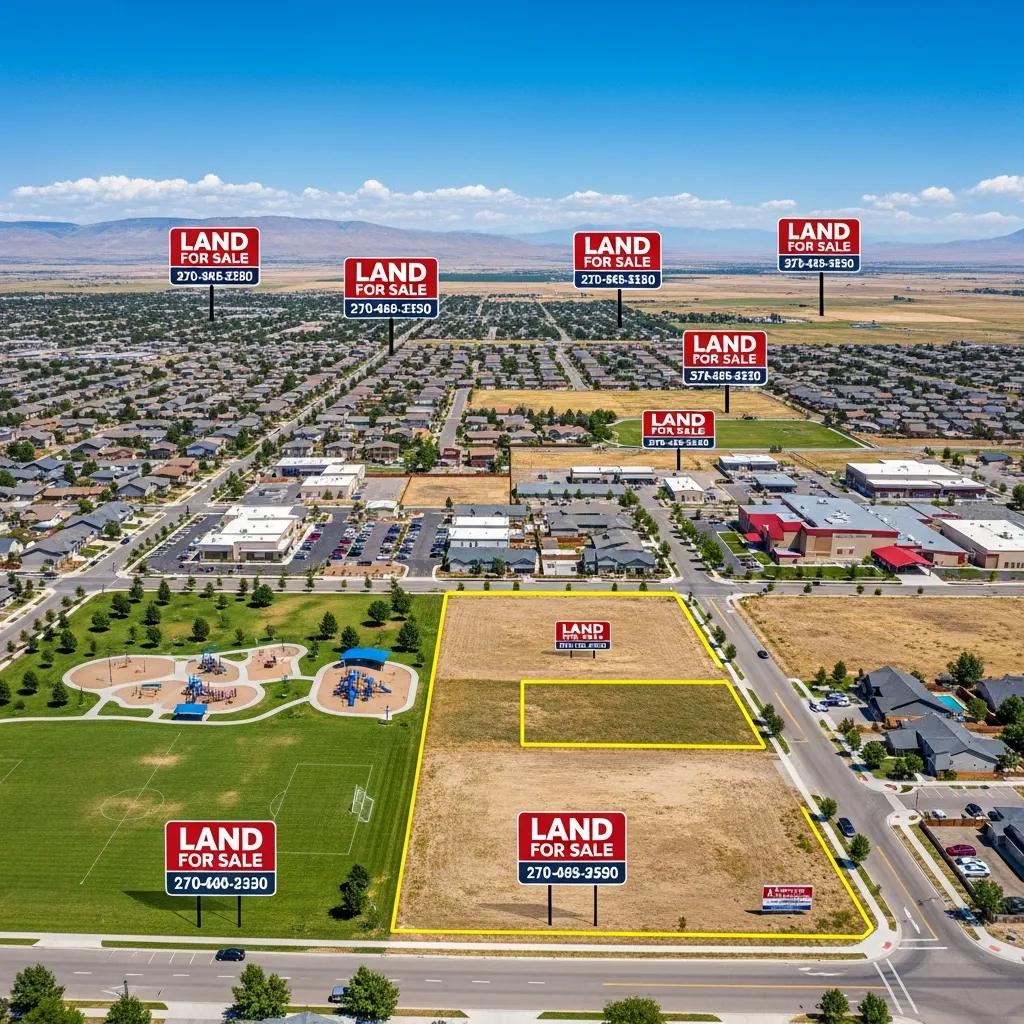
Land prices in Utah vary significantly based on location, size, and zoning regulations. As of 2026, the demand for residential land continues to rise, particularly in urban areas, leading to increased prices. Understanding the current market trends and availability of land parcels is essential for anyone looking to build a home in Utah.
How Does Land Location Affect Prices in Utah Residential Construction?
The location of land plays a critical role in determining its price. Urban areas, such as Salt Lake City and Provo, typically command higher prices due to their proximity to amenities, schools, and employment opportunities. In contrast, rural areas may offer more affordable options but could lack essential services. Factors influencing land prices include:
- Proximity to Urban Centers: Land closer to cities tends to be more expensive.
- Zoning Regulations: Areas zoned for residential development may have higher prices.
- Demand and Supply: High demand in certain neighborhoods can drive prices up.
Understanding these factors can help buyers make informed decisions about where to invest in land for home construction.
Academic studies further emphasize how amenities and accessibility significantly influence housing values in metropolitan areas like Salt Lake County.
What Are the Features of Loveless Estates and Other Prime Land Parcels?
Loveless Estates is one of the prime land parcels available in Utah, offering unique features that appeal to homebuyers. Key characteristics include:
- Scenic Views: Many parcels provide breathtaking views of the surrounding mountains and valleys.
- Access to Amenities: Proximity to schools, parks, and shopping centers enhances the appeal of these locations.
- Investment Potential: The growing demand for housing in these areas makes Loveless Estates a promising investment opportunity.
These features make Loveless Estates and similar parcels attractive options for those looking to build their dream homes.
How Much Do Building Materials Cost in Utah in 2026?
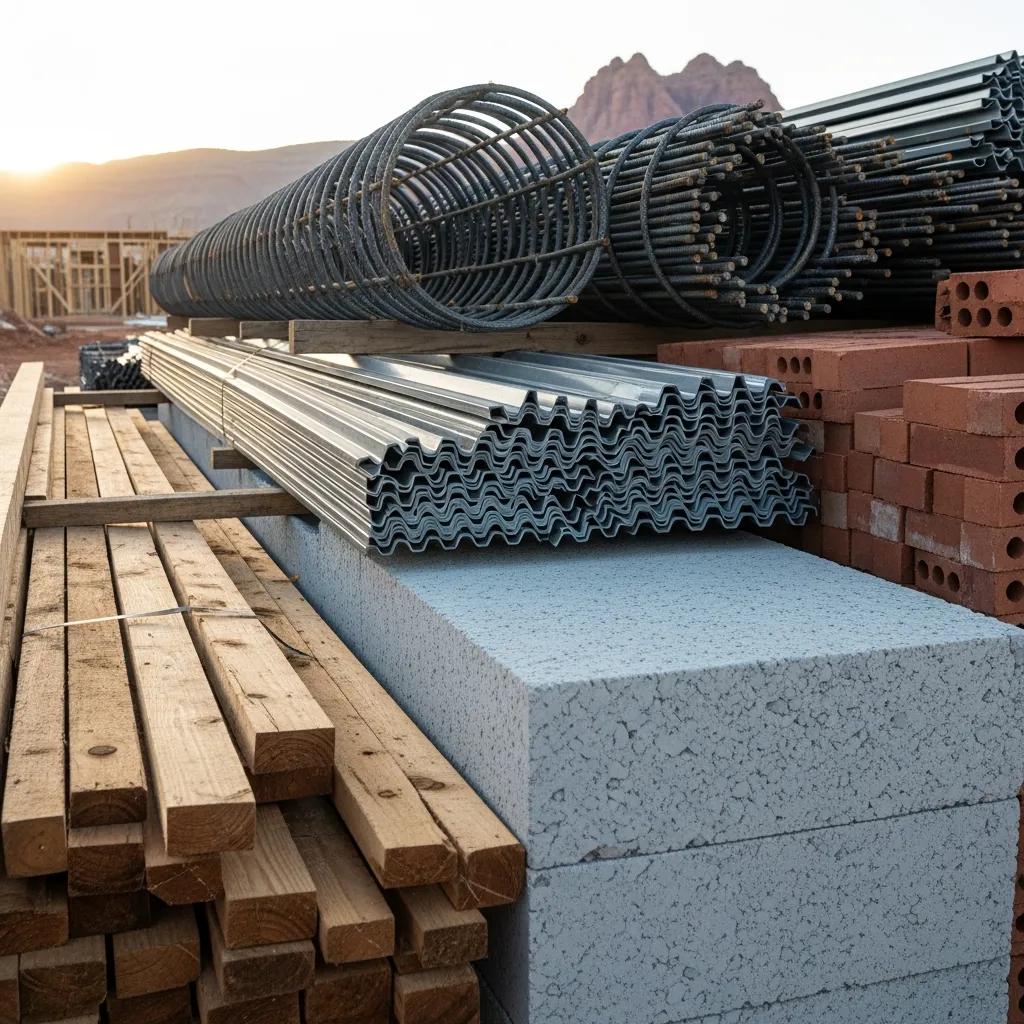
The cost of building materials in Utah has seen fluctuations due to various economic factors. As of 2026, understanding the current prices of essential materials is vital for budgeting your home construction project.
Which Construction Materials Have the Highest Price Changes in Utah?
Several construction materials have experienced significant price changes recently. Key materials include:
- Lumber: Prices have fluctuated due to supply chain issues and increased demand.
- Concrete: The cost of concrete has risen, influenced by raw material availability.
- Steel: Steel prices have also seen increases, impacting overall construction costs.
These changes can affect your budget, making it essential to stay informed about current market trends.
How Do Rising Material Costs Impact Overall Home Building Expenses?
Rising material costs can significantly impact the overall expenses of building a home. As prices increase, homeowners may face challenges in sticking to their budgets. Strategies to mitigate these rising costs include:
- Bulk Purchasing: Buying materials in bulk can lead to discounts.
- Alternative Materials: Exploring alternative materials that offer similar benefits at lower costs.
- Timing Purchases: Monitoring market trends to purchase materials when prices are lower.
By understanding how material costs affect your budget, you can make more strategic decisions during the construction process.
To address the broader challenge of housing affordability in Utah, various strategies beyond material cost management are being considered.
What Are the Labor and Permit Costs for Building a House in Utah?
Labor and permit costs are critical components of the overall expenses associated with building a house in Utah. Understanding these costs can help you plan your budget more effectively.
What Are Typical Construction Labor Rates in Utah in 2026?
Labor rates for construction in Utah vary based on the type of work and the experience of the laborers. As of 2026, typical rates include:
- General Labor: Approximately $25-$40 per hour.
- Skilled Trades: Rates for electricians and plumbers can range from $45-$75 per hour.
- Contractor Fees: General contractors may charge a percentage of the total project cost, typically between 10-20%.
These rates can vary based on the complexity of the project and the specific skills required.
How Much Do Building Permits and Fees Cost in Utah?
Building permits and fees are necessary for legal compliance and can add to the overall cost of construction. Typical permit costs in Utah include:
- Building Permit: Ranges from $500 to $2,500, depending on the project’s size and scope.
- Inspection Fees: Additional fees for inspections can range from $100 to $500.
- Impact Fees: Some municipalities charge impact fees for new developments, which can vary widely.
Understanding these costs is essential for accurate budgeting and ensuring compliance with local regulations.
How Is the Total Cost to Build a House in Utah Calculated?
Calculating the total cost to build a house involves several components, including land, materials, labor, and permits. A comprehensive understanding of these factors is crucial for prospective homeowners.
What Is the Average Cost Per Square Foot for Utah Home Construction?
The average cost per square foot for home construction in Utah varies based on location and design. As of 2026, the average cost is approximately $170 to $270 per square foot. This range can fluctuate based on: custom homes.
- Design Complexity: Custom designs may increase costs.
- Material Choices: Higher-end materials can raise the price per square foot.
- Location: Urban areas typically have higher costs compared to rural regions.
Understanding these factors can help you estimate the total cost of your home construction project.
How Do Land and Building Costs Combine to Affect Total Expenses?
The interplay between land and building costs significantly impacts total expenses. For example, if land costs are high, it may limit the budget available for construction. Key considerations include:
- Budget Allocation: Balancing land purchase and construction costs is essential for staying within budget.
- Financing Options: Understanding how financing can affect overall costs is crucial for planning.
- Long-Term Value: Investing in desirable land can lead to increased property value over time.
By considering these factors, you can develop a more accurate budget for your home construction project.
How Can Financing and Investment Opportunities Influence Building Costs in Utah?
Financing options and investment opportunities play a significant role in determining the overall costs of building a home in Utah. Understanding these aspects can help you make informed financial decisions.
What Financing Options Are Available for Utah Land and Home Construction?
Several financing options are available for those looking to build a home in Utah, including:
- Conventional Loans: Traditional mortgage options for home construction.
- Construction Loans: Short-term loans specifically for financing the building process.
- FHA Loans: Government-backed loans that may offer lower down payment options.
Exploring these options can help you find the best financing solution for your needs.
How Does Investing in Utah Land Affect Home Building Budgets?
Investing in land can significantly impact your home building budget. Key considerations include:
- Land Appreciation: Investing in high-demand areas can lead to increased property value.
- Financing Costs: The cost of financing land can affect your overall budget.
- Development Potential: Understanding zoning regulations can help maximize the value of your investment.
By considering these factors, you can make more strategic decisions regarding land investment and home construction.
How Does Priority Land Support Your Home Building Project in Utah?
Priority Land is a Utah-based real estate company specializing in land sales, providing valuable support for home building projects. Their expertise can help streamline the process of acquiring land and managing costs. Priority Land
What Land Parcels Does Priority Land Offer for Residential Construction?
Priority Land offers a variety of land parcels suitable for residential construction, including: services.
- Loveless Estates: Prime land with scenic views and access to amenities.
- Rural Options: Affordable parcels in less populated areas for those seeking tranquility.
- Urban Lots: Conveniently located parcels in growing neighborhoods.
These options cater to different preferences and budgets, making it easier for buyers to find the right fit for their home construction needs.
How Does Priority Land Help Estimate and Manage Building Costs?
Priority Land provides valuable services to help estimate and manage building costs, including:
- Cost Estimation Services: Detailed assessments of potential building costs based on current market trends.
- Budget Management Tools: Resources to help buyers track expenses throughout the construction process.
- Expert Guidance: Knowledgeable staff available to answer questions and provide insights into the building process.
By leveraging these services, homebuyers can navigate the complexities of construction budgeting more effectively.
Frequently Asked Questions
What are the key factors influencing home construction costs in Utah?
Several key factors influence home construction costs in Utah, including land prices, material costs, labor rates, and permit fees. The location of the land significantly affects its price, with urban areas generally being more expensive. Additionally, fluctuations in the prices of essential materials like lumber and concrete can impact overall expenses. Labor costs vary based on the type of work and the experience of the workers. Understanding these factors is crucial for accurate budgeting and planning for your home construction project.
How can I find affordable land for building a home in Utah?
Finding affordable land in Utah involves researching various locations and understanding market trends. Consider looking in rural areas where land prices are typically lower compared to urban centers. Utilize online real estate platforms, local listings, and real estate agents specializing in land sales. Additionally, attending land auctions or exploring government-owned properties can uncover hidden opportunities. It’s essential to assess zoning regulations and future development plans in the area to ensure your investment aligns with your building goals.
What are the potential hidden costs of building a house in Utah?
Hidden costs in home construction can significantly affect your budget. These may include unexpected site preparation expenses, utility connection fees, landscaping costs, and additional permits for specific features. Homeowners should also consider costs for inspections and potential delays that can lead to increased labor fees. It’s advisable to set aside a contingency fund, typically 10-20% of the total budget, to cover these unforeseen expenses and ensure a smoother construction process.
How do seasonal changes affect construction costs in Utah?
Seasonal changes can have a notable impact on construction costs in Utah. During peak construction seasons, typically spring and summer, demand for labor and materials increases, often leading to higher prices. Conversely, winter months may see lower costs due to decreased demand, but weather conditions can cause delays and additional expenses. Planning your construction timeline around these seasonal trends can help you optimize costs and avoid potential setbacks.
What are the benefits of using a construction loan for building a home?
Construction loans offer several benefits for financing home building projects. They provide short-term funding specifically designed for the construction phase, allowing homeowners to draw funds as needed. This flexibility can help manage cash flow effectively. Additionally, construction loans often have lower interest rates compared to traditional mortgages. Once the home is completed, the loan can typically be converted into a permanent mortgage, simplifying the financing process. Understanding the terms and conditions of these loans is essential for effective budgeting.
How can I ensure compliance with local building regulations in Utah?
Ensuring compliance with local building regulations in Utah involves thorough research and planning. Start by consulting with local building departments to understand zoning laws, permit requirements, and construction codes specific to your area. Engaging a licensed contractor familiar with local regulations can also help navigate the complexities of compliance. Additionally, attending community meetings or workshops can provide valuable insights into any upcoming changes in regulations that may affect your project.
Conclusion
Understanding the costs associated with building a house in Utah is essential for making informed decisions and staying within budget. By considering factors such as land prices, material costs, and labor rates, prospective homeowners can better navigate the complexities of the construction process. Utilizing resources like Priority Land can provide valuable insights and support throughout your home building journey. Start exploring your options today to turn your dream home into a reality.