Explore Nephi, Utah: Juab County Real Estate Made Easy
Juab County Real Estate: What to Know Before Buying Land or a Home
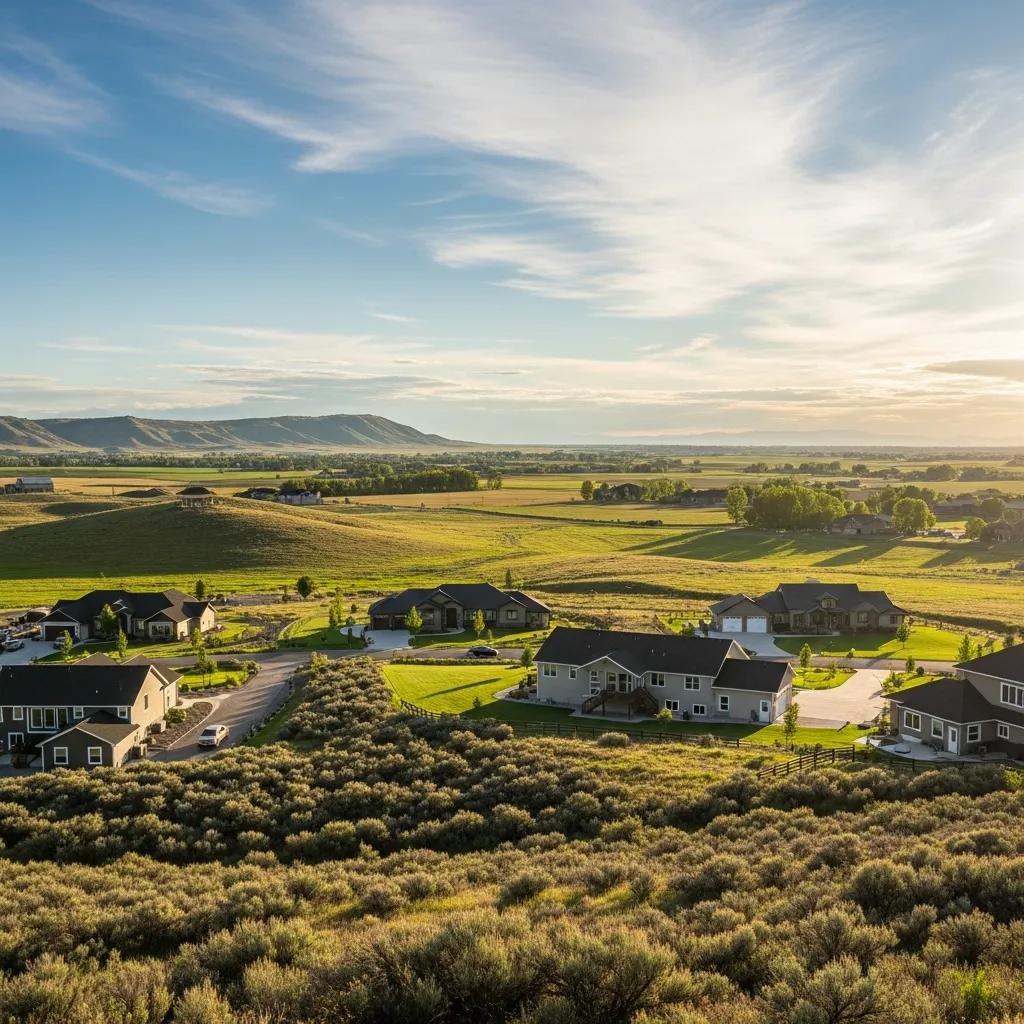
Juab County, Utah, combines wide-open rural landscapes with the conveniences buyers expect today. This guide covers the essentials—current listings, zoning rules, market trends, and financing—so you can evaluate land or homes with confidence. Whether you’re hunting for a buildable parcel or a family house, understanding local market dynamics and regulations will help you make smarter choices.
Where to Find Current Juab County Property Listings and Land For Sale
The Juab County market includes single-family homes, rural properties, and vacant land. To see available properties, check local real estate websites, county postings, and agents who specialize in the area. Familiarize yourself with these sources as the first step in any effective search.
Where to Find Nephi, Utah Land Listings and Rural Homes

Look for land and rural homes in Nephi through these places:
- Local real estate sites: County-focused platforms and brokerage pages usually list the most current properties and lot details.
- County and municipal postings: Government sites sometimes show surplus land, auctions, or public parcels.
- Local agents: Neighborhood agents often know about off-market opportunities and practical details you won’t find online.
How to Evaluate Juab County Land Parcels and Prices
When you review a parcel, focus on a few practical factors:
- Location: Distance to towns, schools, and main roads affects daily life and resale value.
- Size and shape: Acreage and lot configuration determine what you can build and how the land can be used.
- Zoning and restrictions: Zoning, easements, and utility access will limit or enable your plans—confirm them early.
How Do Juab County Zoning and Land Use Rules Affect Buyers?
Zoning and land-use rules define what you can build and where. Knowing these rules up front prevents surprises and helps you pick properties that match your goals.
Key Zoning Classifications in Juab County
Juab County groups land into zones with different permitted uses. Common categories include:
- Residential: Areas intended for single- or multi-family homes and related neighborhood development.
- Commercial: Parcels suited to retail, offices, or other business uses.
- Agricultural: Land zoned for farming, grazing, or related rural uses—often with limits on residential development.
How to Confirm Zoning for Nephi Properties
To verify zoning for a specific Nephi property:
- Contact the county planning office: They can confirm current zoning, allowed uses, and any pending changes.
- Use online zoning maps: Many counties publish parcel-level maps and code summaries that you can review.
- Gather documentation: Property deeds, surveys, and title reports help clarify boundaries, easements, and restrictions.
Juab County Real Estate Market Trends to Watch in 2024
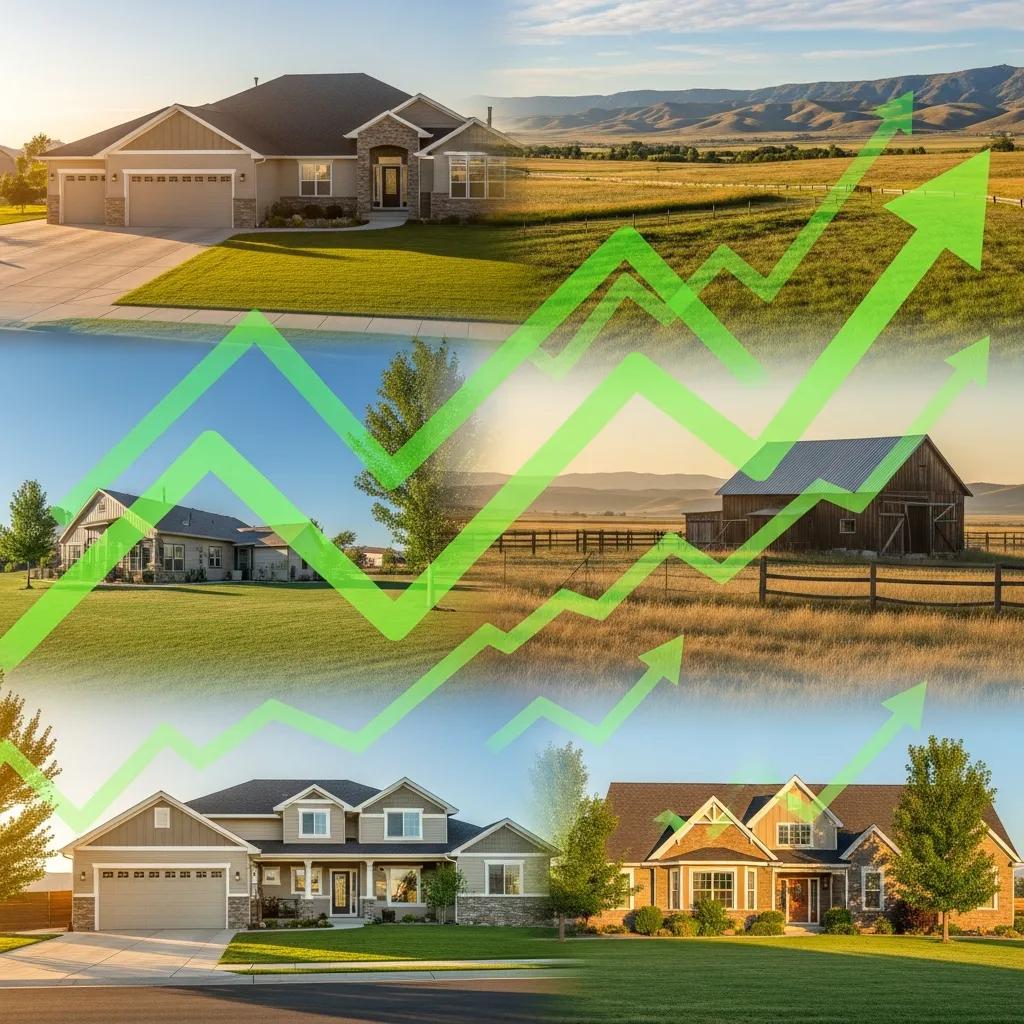
In 2026, Juab County’s market shows clear movement that buyers and investors should note. These trends affect pricing, inventory, and opportunity.
How Land Prices and Investment Opportunities Are Changing
Recent market drivers include: blog
- Growing demand: More buyers are looking for rural lots for recreation, second homes, or long-term investment.
- Tight supply: Fewer available parcels put upward pressure on prices in sought-after areas.
- Targeted growth zones: Parcels near planned infrastructure or development corridors often attract investor interest.
Local Factors Shaping Juab County Market Dynamics
Several local influences are shaping the market:
- Economic shifts: Local job and business growth brings new residents and housing demand.
- Population movement: People drawn to a lower cost of living and outdoor lifestyle are boosting demand.
- Infrastructure improvements: Road, utility, and service upgrades increase a property’s utility—and its value.
How to Handle Property Taxes and Financing in Juab County
Taxes and financing can change the total cost of ownership. Know the basics so you can budget accurately and choose the right loan path.
How Juab County Property Taxes Work and What to Expect
Property taxes in Juab County are based on assessed value and local tax rates. Important things to keep in mind:
Property taxes are a major revenue source for local services—understanding them helps you evaluate long-term carrying costs.
- Check current rates: Tax rates and assessments change—confirm the latest figures with the county assessor.
- Know payment dates: Mark tax due dates to avoid penalties and interest.
- Understand penalties: Late tax payments can carry fees; factor those risks into your cash flow planning.
Financing Options for Buying Land in Juab County
Common financing paths include: rental properties
- Conventional mortgages: Standard home loans are available when lenders consider the property and borrower creditworthy.
- Land loans: Loans specifically for vacant land often have different down payment and underwriting requirements.
- Alternative terms: Seller financing, lease-to-own, or private loans can offer flexibility when traditional financing isn’t an option.
Your choice of financing affects monthly cash flow, down payment needs, and how quickly you can develop the land. Compare offers and consult a lender early in the process.
Frequently Asked Questions
What should I consider when choosing a location in Juab County?
Prioritize proximity to essentials—schools, medical care, groceries—and access to main roads. Assess neighborhood safety, available services, and the area’s development plans. Talking with neighbors and visiting at different times of day will give you a realistic feel for daily life.
How can I find a reliable real estate agent in Juab County?
Ask for recommendations from people you trust, read agent reviews, and choose someone who specializes in Juab County. Interview candidates about recent local transactions, their communication style, and how they handle off-market listings. A knowledgeable local agent will save you time and reduce risk.
What are common pitfalls to avoid when buying land in Juab County?
Don’t skip zoning checks or a thorough title search. Inspect for access to utilities and roads, check for easements or liens, and verify buildability with the planning department. Rushing financing without comparing terms can also create costly surprises later.
Are there environmental considerations when buying land in Juab County?
Yes. Check for floodplain designations, soil or contamination issues, and protected wildlife habitats. Environmental restrictions can affect what you can build—use consultants when needed to confirm constraints and compliance requirements.
What are the benefits of investing in Juab County real estate?
Juab County offers lower costs than many urban areas, scenic outdoor access, and potential for appreciation as demand for rural living grows. The area appeals to retirees, second-home buyers, and investors looking for long-term land value gains.
How can I stay updated on Juab County real estate market trends?
Subscribe to local real estate newsletters, follow county planning updates, and join community forums. Local agents and social media groups focused on Juab County can also provide timely market intel and listings.
Conclusion
Buying land or a home in Juab County can deliver rural space and modern convenience—if you go in informed. Use this guide to check listings, confirm zoning, understand taxes, and compare financing. Connect with local experts, visit properties in person, and plan for both short- and long-term costs. When you do that, you’ll be in a strong position to find the right property for your goals.